Buy e-management.eu ?
We are moving the project
e-management.eu .
Are you interested in purchasing the domain
e-management.eu ?
domain@kv-gmbh.de · 0541-91531010
Buy e-management.eu ?
How do you calculate the efficiency of photosynthesis?
The efficiency of photosynthesis can be calculated by measuring the amount of light energy that is converted into chemical energy in the form of glucose. This can be done by measuring the rate of oxygen production or the rate of carbon dioxide uptake, which are both indicators of the rate of photosynthesis. The efficiency can then be calculated by comparing the amount of light energy absorbed by the plant to the amount of chemical energy stored in the form of glucose. This can be expressed as a percentage to show the efficiency of the photosynthetic process. **
Why is the efficiency of photosynthesis so low?
The efficiency of photosynthesis is relatively low because it is a complex biochemical process that involves multiple steps and factors. Only a small portion of the sunlight that reaches the plant is actually used for photosynthesis, and much of it is reflected or lost as heat. Additionally, not all wavelengths of light are efficiently absorbed by the chlorophyll in the plant, further reducing the overall efficiency. Furthermore, there are limitations in the availability of carbon dioxide, water, and nutrients that can also impact the efficiency of photosynthesis. **

Similar search terms for Photosynthesis
Top-Angebote
Products related to Photosynthesis:
-
Uplifted Goods Pediatric Muslin Security Blanket And Feline Companion eEstablish a high level of neonatal comfort with this High Performance Kinetic Sensory Shield. Engineered with a Reinforced Cotton Muslin Structural Shield and a specialized integrated cat doll frame, this appease towel is designed to provide a...29,97 $*Shipping: 0,00 $Secure redirect to the provider
-
AMX MU-3300 MUSE Automation Controller, 8 Serial (AMX-CCC033)The AMX MU-3300 MUSE Automation Controller is a powerful, secure, and reliable device that provides a dedicated computing resource running HARMAN Professional's AMX MUSE automation platform. The MU-3300 can simultaneously process a virtually unlimited number of scripts written in JavaScript, Python, or Groovy and natively supports Low-Code development with Node-RED. SpecificationsCountry of Origin: MexicoWeight: 8.3 lbs2418,49 £*Shipping: 0,00 £Secure redirect to the provider
-
Uplifted Goods Advanced Vitamin E Hair Revitalizing And Growth Oil 1.01 Oz.Revitalize your hair from the foundation with this Advanced Vitamin E Hair Growth Oil. Constructed with a Tocopherol Antioxidant Shield and a specialized scalp soothing frame, this essential oil is designed to provide a definitive balance of...34,97 $*Shipping: 0,00 $Secure redirect to the provider



-
What is the efficiency of energy expenditure in photosynthesis?
The efficiency of energy expenditure in photosynthesis is relatively high compared to other biological processes. Photosynthesis is able to convert approximately 6% of the energy from sunlight into chemical energy stored in glucose molecules. This efficiency is due to the complex biochemical pathways and mechanisms involved in photosynthesis, such as the light-dependent and light-independent reactions. Overall, photosynthesis is a highly efficient process that plays a crucial role in sustaining life on Earth by providing energy for plants and ultimately all living organisms. **
-
Does photosynthesis supposedly have an efficiency of only 1 percent?
No, photosynthesis does not have an efficiency of only 1 percent. The efficiency of photosynthesis can vary depending on various factors such as the type of plant, environmental conditions, and the availability of resources. On average, the efficiency of photosynthesis in plants is estimated to be around 3-6 percent. However, some studies suggest that certain plants or artificial systems can achieve efficiencies of up to 10 percent. **
-
What is photosynthesis?
Photosynthesis is the process by which green plants, algae, and some bacteria convert light energy, usually from the sun, into chemical energy stored in glucose molecules. This process involves the absorption of carbon dioxide and water, which are then converted into glucose and oxygen with the help of chlorophyll and other enzymes. Photosynthesis is crucial for the survival of plants and other organisms that depend on them for food and oxygen. **
-
Can the efficiency of photosynthesis actually be increased by high air pressure?
High air pressure can potentially increase the efficiency of photosynthesis by allowing plants to take in more carbon dioxide, which is a key component in the process. However, there are limits to how much pressure can be increased before it becomes detrimental to plant growth. Additionally, other factors such as temperature, light intensity, and nutrient availability also play a significant role in the efficiency of photosynthesis. **


Does the photosynthesis of plants really only have an efficiency of 15 percent?
The efficiency of photosynthesis in plants is often cited as being around 15 percent, meaning that only 15 percent of the sunlight absorbed by the plant is converted into chemical energy. However, this number can vary depending on the specific plant species, environmental conditions, and the wavelength of light being used. Additionally, advancements in agricultural and biotechnological research have led to the development of more efficient photosynthetic processes, such as C4 and CAM photosynthesis, which can significantly improve overall efficiency. Therefore, while the 15 percent figure is a commonly cited average, it is important to recognize that there is variability and ongoing research in this area. **
Can humans perform photosynthesis?
No, humans cannot perform photosynthesis. Photosynthesis is a process carried out by plants, algae, and some bacteria, where they convert sunlight into energy to produce their own food. Humans do not have the necessary organelles, such as chloroplasts, to carry out photosynthesis. Instead, humans obtain energy by consuming food and breaking it down through cellular respiration. **
Top-Angebote
Products related to Photosynthesis:
-
All Categories Goods LED Solar Security Light Dual Motion Sensor Outdoor Floodlight With LED Technology For Energy Efficient Illumination LED Solar Security Light Dual Motion Sensor Outdoor Floodlight With LED Technology For Energy Efficient IlluminationBrighten your outdoor space with the 1 pcs of 22 LED Solar Security Light, designed for maximum visibility and security. Powered by ecofriendly solar energy, this motion sensor floodlight activates when movement is detected, offering both...63,97 $*Shipping: 0,00 $Secure redirect to the provider
-
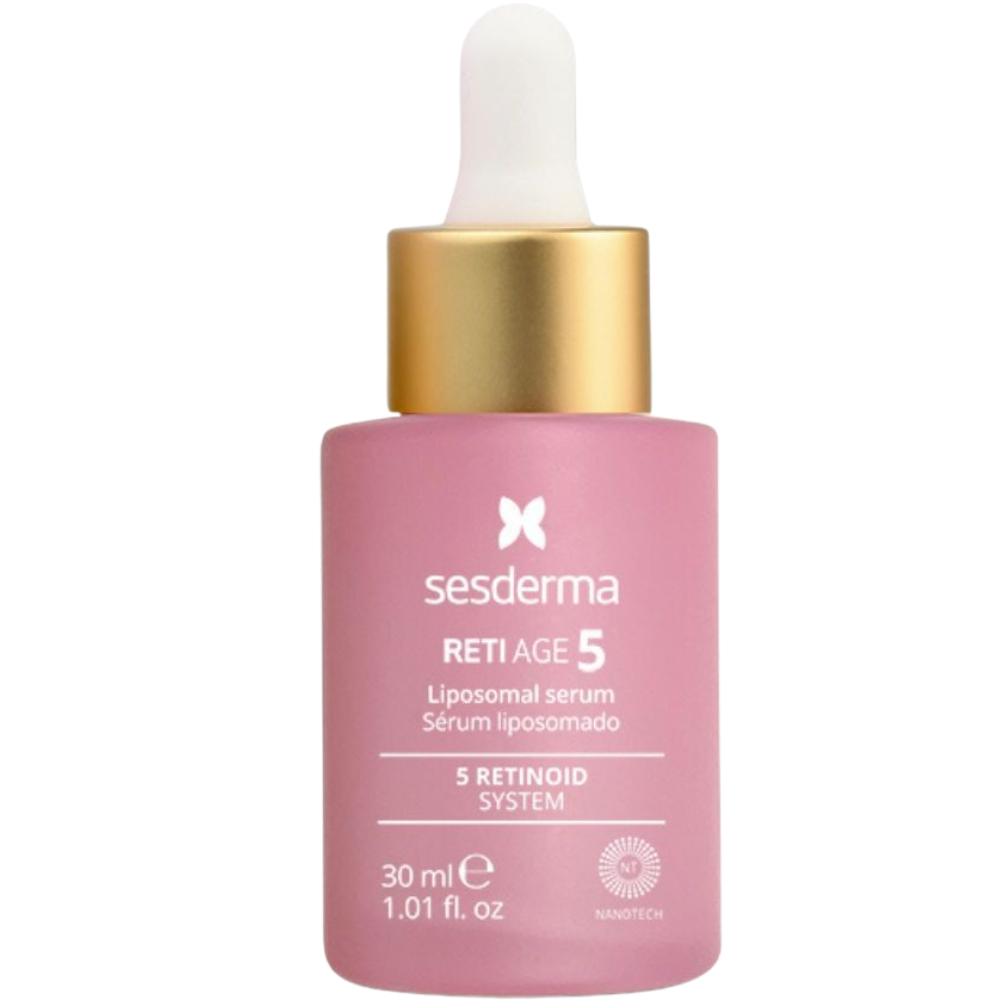
Sesderma Reti Age 5 Liposomal Serum Anti-Aging Innovation 30mLA facial serum for wrinkles and signs of ageing. Reduces wrinkles and fine lines. Hydrates and strengthens barrier. Restores youthful radiance. 5-Retinoid System: smooths wrinkles, accelerates renewal, and boosts collagen. Biomimetic Peptides: fill expression lines by stimulating collagen synthesis.54,51 £*Shipping: 5,34 £Secure redirect to the provider
-
Uplifted Goods Pediatric Muslin Security Blanket And Feline Companion eEstablish a high level of neonatal comfort with this High Performance Kinetic Sensory Shield. Engineered with a Reinforced Cotton Muslin Structural Shield and a specialized integrated cat doll frame, this appease towel is designed to provide a...29,97 $*Shipping: 0,00 $Secure redirect to the provider
-
AMX MU-3300 MUSE Automation Controller, 8 Serial (AMX-CCC033)The AMX MU-3300 MUSE Automation Controller is a powerful, secure, and reliable device that provides a dedicated computing resource running HARMAN Professional's AMX MUSE automation platform. The MU-3300 can simultaneously process a virtually unlimited number of scripts written in JavaScript, Python, or Groovy and natively supports Low-Code development with Node-RED. SpecificationsCountry of Origin: MexicoWeight: 8.3 lbs2418,49 £*Shipping: 0,00 £Secure redirect to the provider
-
How do you calculate the efficiency of photosynthesis?
The efficiency of photosynthesis can be calculated by measuring the amount of light energy that is converted into chemical energy in the form of glucose. This can be done by measuring the rate of oxygen production or the rate of carbon dioxide uptake, which are both indicators of the rate of photosynthesis. The efficiency can then be calculated by comparing the amount of light energy absorbed by the plant to the amount of chemical energy stored in the form of glucose. This can be expressed as a percentage to show the efficiency of the photosynthetic process. **
-
Why is the efficiency of photosynthesis so low?
The efficiency of photosynthesis is relatively low because it is a complex biochemical process that involves multiple steps and factors. Only a small portion of the sunlight that reaches the plant is actually used for photosynthesis, and much of it is reflected or lost as heat. Additionally, not all wavelengths of light are efficiently absorbed by the chlorophyll in the plant, further reducing the overall efficiency. Furthermore, there are limitations in the availability of carbon dioxide, water, and nutrients that can also impact the efficiency of photosynthesis. **
-
What is the efficiency of energy expenditure in photosynthesis?
The efficiency of energy expenditure in photosynthesis is relatively high compared to other biological processes. Photosynthesis is able to convert approximately 6% of the energy from sunlight into chemical energy stored in glucose molecules. This efficiency is due to the complex biochemical pathways and mechanisms involved in photosynthesis, such as the light-dependent and light-independent reactions. Overall, photosynthesis is a highly efficient process that plays a crucial role in sustaining life on Earth by providing energy for plants and ultimately all living organisms. **
-
Does photosynthesis supposedly have an efficiency of only 1 percent?
No, photosynthesis does not have an efficiency of only 1 percent. The efficiency of photosynthesis can vary depending on various factors such as the type of plant, environmental conditions, and the availability of resources. On average, the efficiency of photosynthesis in plants is estimated to be around 3-6 percent. However, some studies suggest that certain plants or artificial systems can achieve efficiencies of up to 10 percent. **
Similar search terms for Photosynthesis
-
Uplifted Goods Advanced Vitamin E Hair Revitalizing And Growth Oil 1.01 Oz.Revitalize your hair from the foundation with this Advanced Vitamin E Hair Growth Oil. Constructed with a Tocopherol Antioxidant Shield and a specialized scalp soothing frame, this essential oil is designed to provide a definitive balance of...34,97 $*Shipping: 0,00 $Secure redirect to the provider
-
Bosch Smart Home Universal Switch Flex White Matt Slim Automation SwitchDescription Control your smart home devices with ease using the Bosch Smart Home Universal Switch Flex in White Matt. Designed for convenient automation and flexible placement, this slim wireless switch allows you to control connected Bosch Smart Home devices with a simple press. Featuring a modern raised slim profile and screwless design, the Universal Switch Flex blends seamlessly into any home interior. With wireless communication technology and low power consumption, it provides a reliable and practical solution for smart home control without the need for complex wiring. Ideal for lighting control, automation routines, and smart home scenarios, the Bosch Smart Home Universal Switch Flex offers a simple way to make everyday tasks more convenient.40,99 £*Shipping: 0,00 £Secure redirect to the provider
-
APC Network Management Card 3 Remote Management AdapterA plug-in remote management adapter for APC UPS systems with integrated PowerChute Network Shutdown and environmental monitoring capabilities. Supports network connectivity up to 1 Gbps across 10Base-T, 100Base-TX, and 1000Base-T Ethernet protocols using TCP/IP and SMTP. Designed for compatibility with multiple APC Smart-UPS and Symmetra models.577,99 £*Shipping: 0,00 £Secure redirect to the provider
-
What is photosynthesis?
Photosynthesis is the process by which green plants, algae, and some bacteria convert light energy, usually from the sun, into chemical energy stored in glucose molecules. This process involves the absorption of carbon dioxide and water, which are then converted into glucose and oxygen with the help of chlorophyll and other enzymes. Photosynthesis is crucial for the survival of plants and other organisms that depend on them for food and oxygen. **
-
Can the efficiency of photosynthesis actually be increased by high air pressure?
High air pressure can potentially increase the efficiency of photosynthesis by allowing plants to take in more carbon dioxide, which is a key component in the process. However, there are limits to how much pressure can be increased before it becomes detrimental to plant growth. Additionally, other factors such as temperature, light intensity, and nutrient availability also play a significant role in the efficiency of photosynthesis. **
-
Does the photosynthesis of plants really only have an efficiency of 15 percent?
The efficiency of photosynthesis in plants is often cited as being around 15 percent, meaning that only 15 percent of the sunlight absorbed by the plant is converted into chemical energy. However, this number can vary depending on the specific plant species, environmental conditions, and the wavelength of light being used. Additionally, advancements in agricultural and biotechnological research have led to the development of more efficient photosynthetic processes, such as C4 and CAM photosynthesis, which can significantly improve overall efficiency. Therefore, while the 15 percent figure is a commonly cited average, it is important to recognize that there is variability and ongoing research in this area. **
-
Can humans perform photosynthesis?
No, humans cannot perform photosynthesis. Photosynthesis is a process carried out by plants, algae, and some bacteria, where they convert sunlight into energy to produce their own food. Humans do not have the necessary organelles, such as chloroplasts, to carry out photosynthesis. Instead, humans obtain energy by consuming food and breaking it down through cellular respiration. **
* All prices are inclusive of VAT and, if applicable, plus shipping costs. The offer information is based on the details provided by the respective shop and is updated through automated processes. Real-time updates do not occur, so deviations can occur in individual cases. ** Note: Parts of this content were created by AI.